

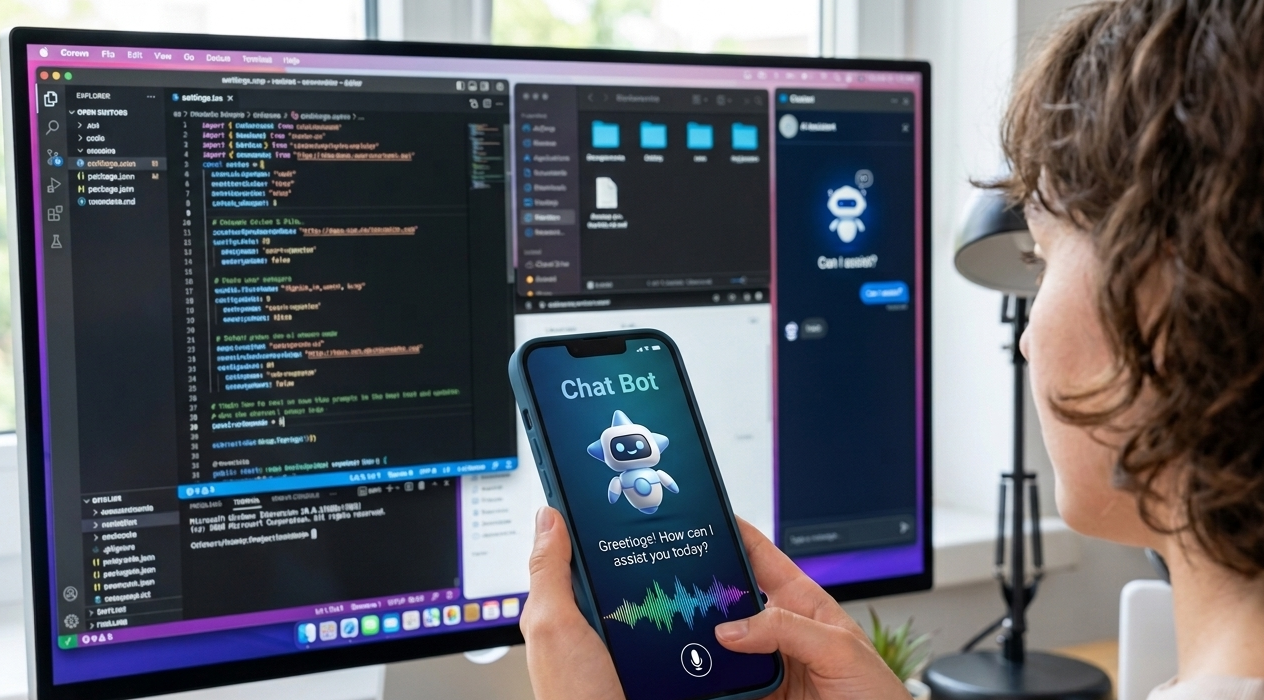
Kathmandu: Artificial intelligence chatbots are increasingly becoming a source of emotional support and companionship for teenagers, marking a shift in how young people interact with technology. Platforms such as Character.ai, Replika, and ChatGPT are being used not only for academic assistance but also for personal conversations, role-play, and mental health support.
Recent data highlights the scale of this trend. A 2025 report by Common Sense Media found that 72 percent of teenagers in the United States have used AI chatbots as companions. Additional findings suggest that around 12 to 13 percent rely on these tools for emotional or mental health support. A 2026 survey by Pew Research Center also shows that while educational use remains common, casual conversation and emotional engagement are growing rapidly among teens.
The rise in usage is linked to several factors. AI chatbots provide constant availability, immediate responses, and a judgment-free environment. Users can also customize interactions, controlling the tone and personality of responses, which makes the experience feel more personal and safe.
However, experts have raised concerns about the psychological impact of this growing reliance. The American Psychological Association has warned that excessive dependence on AI chatbots for emotional support may lead to reduced real-world social interaction. Studies based on user experiences indicate that some teenagers develop strong emotional attachments to chatbots, which can result in sleep disruption, reduced academic focus, and social withdrawal.
Researchers also note that AI chatbots may unintentionally reinforce negative thoughts, as they are designed to respond in agreement with users. This can create an echo chamber effect, particularly for teens dealing with anxiety, loneliness, or low self-esteem.
The increasing role of AI in teenagers’ lives reflects both the benefits and risks of advanced technology. While chatbots offer accessible and immediate support, experts emphasize the importance of maintaining real human connections for emotional development and long-term well-being.




Leave a Reply