

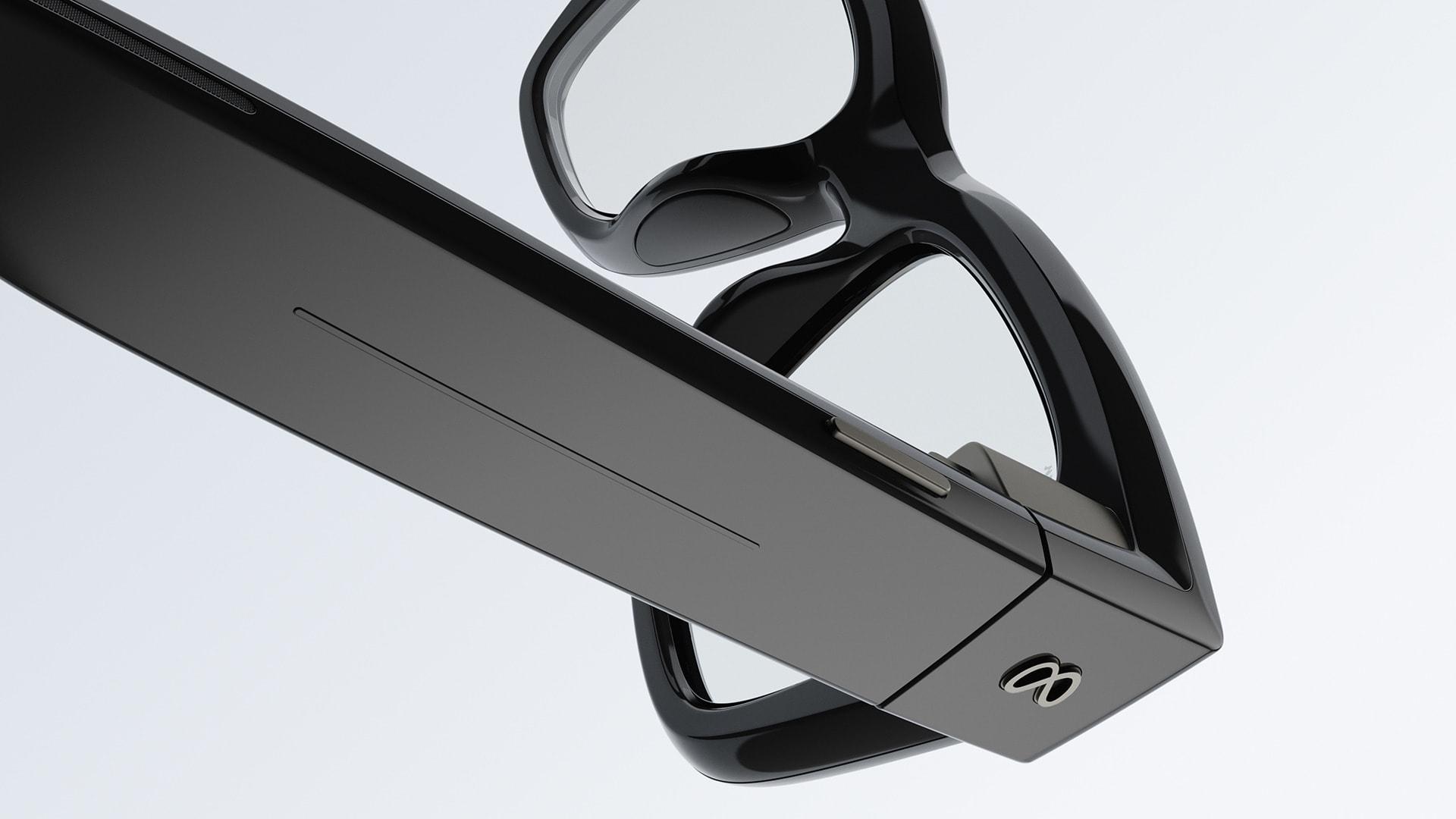
Meta launches Muse Spark as its new flagship AI model, announced on April 8, 2026. The company says it is the first model from Meta Superintelligence Labs and now powers the Meta AI app and meta.ai.
The launch places Muse Spark at the center of Meta’s growing AI strategy. Meta also says the model will expand to WhatsApp, Instagram, Facebook, Messenger, and AI glasses in the coming weeks.
Meta is presenting Muse Spark as a step toward what it calls “personal superintelligence.” In simple terms, that means an AI assistant designed to understand more of a user’s world across Meta’s platforms, not just answer basic prompts.
The release also reflects a bigger reset inside Meta. The company says its AI stack was rebuilt over the past nine months, while outside reporting has linked that effort to Meta’s broader push after its investment in Scale AI and leadership changes around its superintelligence work.
Meta says Muse Spark is built to improve in stages. Each version, according to the company, is meant to be tested and validated before moving to a larger generation.
The model includes different reasoning modes for different tasks. Meta also says it can run multiple helper agents at the same time for harder questions and supports multimodal use, meaning it can work with images as well as text.
One of the standout features is visual coding. Meta says Muse Spark can create custom websites and mini-games from a prompt, which users can then share.
Independent testing suggests Muse Spark is already competitive with top AI models. At the same time, Meta has not publicly disclosed the model’s size, and reports show the company is taking a more closed approach this time instead of releasing open model weights.
That means people can test what Muse Spark does, but they cannot fully inspect how it was built or trained.
Meta Launches Muse Spark as a real and important AI product. But while the rollout is real and the ambition is clear, the biggest promises around always-on personal AI are still part of Meta’s longer-term vision, not proven everyday reality yet.









Leave a Reply