

OpenAI Asks Attorneys General to Investigate Elon Musk as Trial Nears and SpaceX IPO Looms
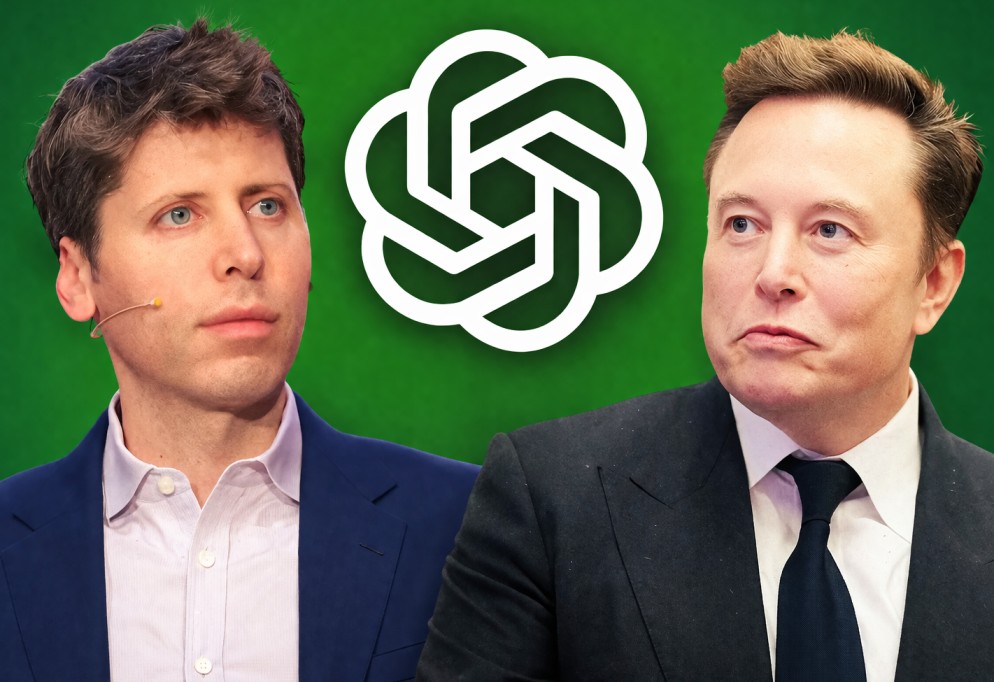
OpenAI has asked the attorneys general of California and Delaware to investigate Elon Musk and his associates, sharply escalating a legal and corporate fight that is already headed toward a jury trial later this month. Reuters reported that OpenAI sent the letter on April 6, 2026, as the dispute with Musk moves toward trial in Oakland on April 27. The request comes at a sensitive moment for both sides, with OpenAI fresh off a huge funding round and SpaceX preparing for what Reuters described as a potentially record-setting initial public offering.
The letter, according to Reuters, was signed by OpenAI Chief Strategy Officer Jason Kwon and asked California Attorney General Rob Bonta and Delaware Attorney General Kathy Jennings to consider whether Musk’s conduct amounts to “improper and anti-competitive behavior.” Reuters also reported that OpenAI argued Musk’s lawsuit seeks more than $100 billion in damages from its nonprofit foundation and warned that such a result would cripple the organization. That filing deepens a feud that has grown steadily since Musk, an OpenAI co-founder who left the company in 2018, challenged OpenAI’s restructuring and its move toward a more commercial model.
The timing matters. Only days earlier, OpenAI announced that it had closed a $122 billion funding round at an $852 billion post-money valuation, one of the largest private fundraises ever reported in the technology sector. That financial milestone gave OpenAI new momentum, but it also raised the stakes around its governance, structure, and future control. In that context, the company’s request for regulatory scrutiny signals that it sees Musk’s actions not as ordinary litigation, but as a broader threat to its stability as it tries to scale.
Some of the surrounding allegations remain unsettled. Reuters reported the complaint letter itself, but the full text has not been publicly released in the sources reviewed here, so not every detail of OpenAI’s case is available for independent examination. Separately, recent reporting by The New Yorker described claims of “opposition research” involving intermediaries linked to Musk, including allegations that Sam Altman’s flights and movements were being tracked. Those claims are part of the public narrative around the dispute, but they are not court findings, and they remain reported allegations rather than established legal conclusions.
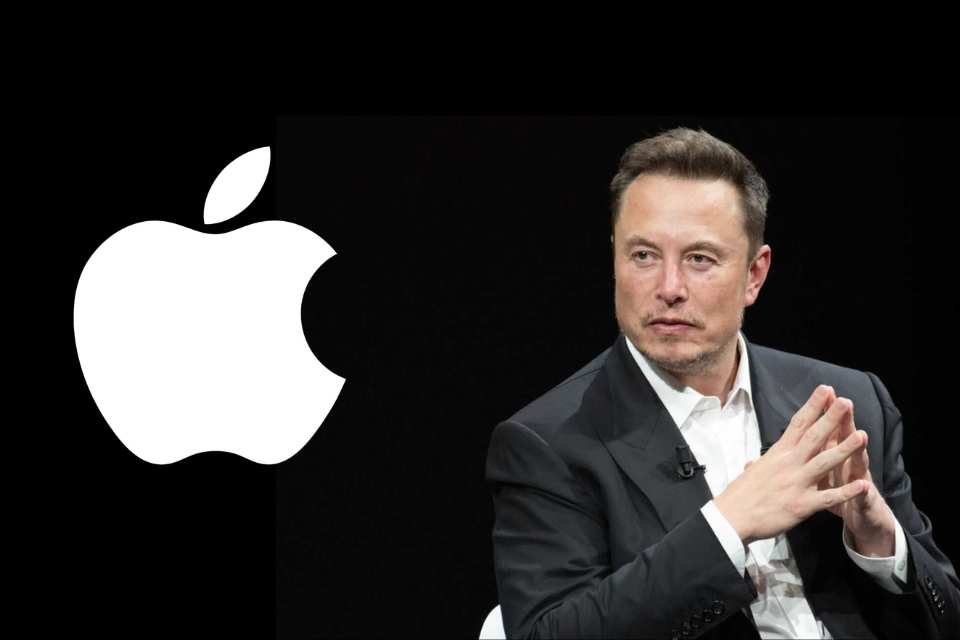
The legal clash is unfolding at the same time Musk is pursuing another enormous financial event. Reuters reported that SpaceX is targeting a roadshow beginning the week of June 8, with plans to raise $75 billion at a valuation of up to $1.75 trillion. Reuters also reported that SpaceX merged with xAI in February 2026 and is planning a June 11 retail investor event. If completed on those terms, the deal would rank among the largest IPOs ever attempted, putting unusual attention on Musk’s conduct, business ties, and use of influence across his companies.
That scrutiny has intensified because Reuters, citing The New York Times, reported that Musk is requiring banks and other advisers working on the SpaceX IPO to buy subscriptions to Grok, the chatbot made by xAI. Reuters said some banks had agreed to spend “tens of millions” of dollars a year and had begun integrating the tool. That has fueled criticism that Musk is using a major capital-markets event to boost adoption of another business in his orbit, effectively tying access to one of the world’s most coveted IPO mandates to spending on xAI software.
While Musk and OpenAI dominate the headlines, the wider AI market is shifting fast. Anthropic said its run-rate revenue has surpassed $30 billion in 2026, up from about $9 billion at the end of 2025, and announced a multi-gigawatt compute agreement with Google and Broadcom that is expected to come online starting in 2027. That means the fight between Musk and OpenAI is unfolding in a market where rivals are also rapidly scaling capital, computing power, and enterprise reach.
Taken together, the investigation request, the coming Oakland trial, the SpaceX IPO plans, and the Grok subscription reports show that the AI race is no longer just about building better models. It is becoming a contest over market power, legal leverage, investor confidence, and who will control the next phase of the industry.








Leave a Reply